Building in Bushfire-Prone Areas: Your Complete Guide to BAL Ratings and Fire-Safe Construction

Planning to build or renovate in a bushfire-prone area? Understanding Bushfire Attack Level (BAL) ratings isn't just about compliance – it's about protecting your home, family, and investment.
Whether you're a DIY enthusiast, working with an architect, or managing a commercial project, this guide will help you navigate fire safety requirements and choose the right materials.
What Are BAL Ratings and Why Do They Matter?
BAL stands for Bushfire Attack Level – Australia's standardised way of measuring bushfire risk to buildings. These ratings determine what construction materials and methods you must use based on your property's exposure to ember attack, radiant heat, and potential flame contact.
The Six BAL Levels Explained:
BAL-LOW (0-12.5 kW/m²)
- Very low risk with minimal radiant heat exposure
- Ember attack may still occur
- Basic fire-resistant construction requirements
BAL-12.5 (0-12.5 kW/m²)
- Primary risk from ember attack
- Low radiant heat exposure
- Standard fire-resistant materials required
BAL-19 (12.5-19 kW/m²)
- Moderate risk with increased ember attack
- Higher likelihood of burning debris
- Enhanced fire-resistant construction needed
BAL-29 (19-29 kW/m²)
- High risk zone with significant ember attack potential
- Increased radiant heat exposure
- Specialised fire-rated materials essential
BAL-40 (29-40 kW/m²)
- Very high risk with extreme ember attack
- High radiant heat exposure
- Some direct flame contact possible
- Premium fire-resistant materials required
BAL-FZ (40+ kW/m² plus flame contact)
- Extreme risk – direct flame exposure likely
- Only non-combustible materials permitted
- Concrete, steel, and masonry construction required
How to Find Your Property's BAL Rating
Your local council or fire authority will assess your property's BAL rating based on:
- Distance to potential fire sources
- Local vegetation types and density
- Slope of the land
- Regional fire history
Contact your council's building department or check their online mapping tools to determine your specific requirements.
Choosing the Right Materials for Each BAL Zone
Pedestals and Structural Support
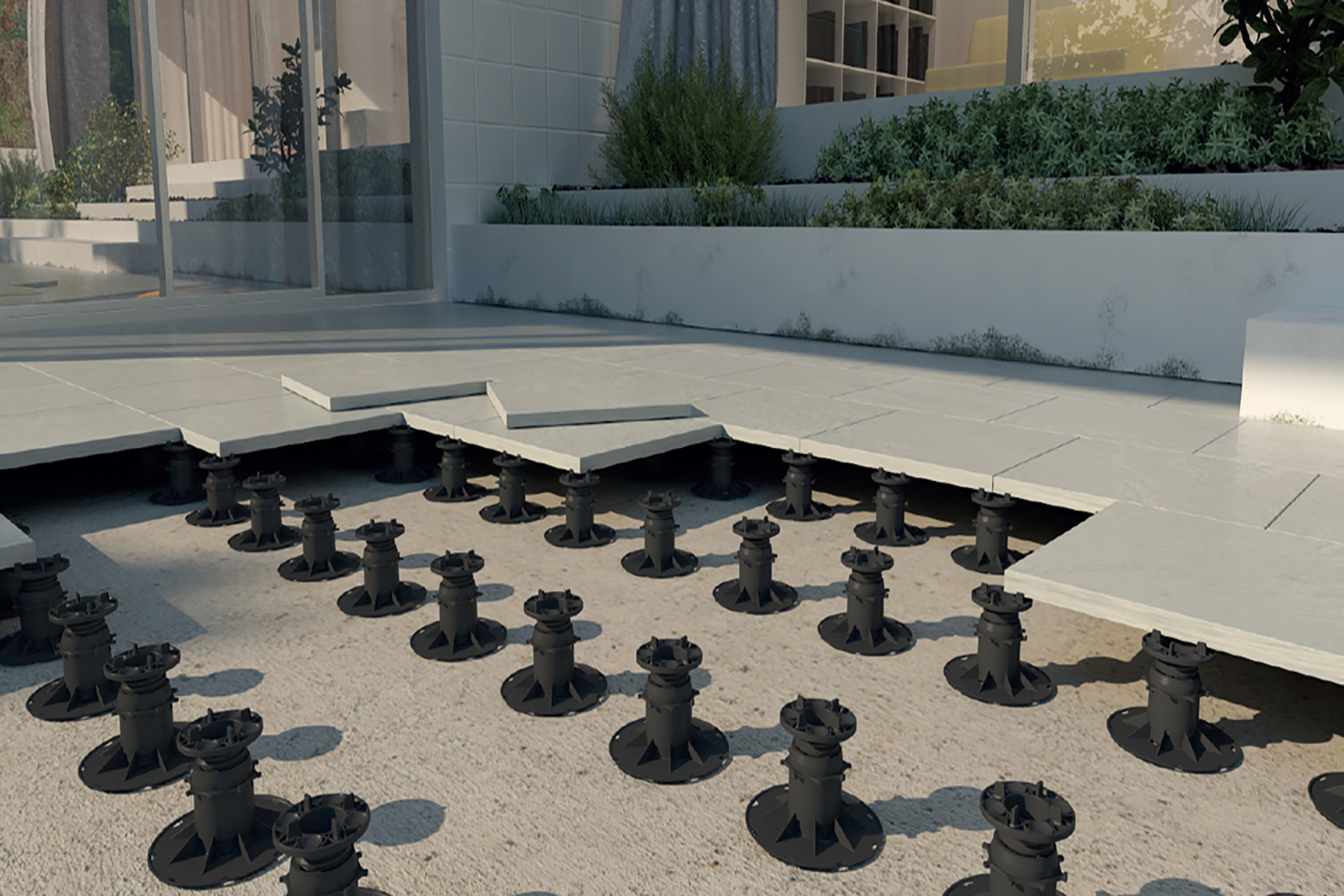
For raised decking and cladding systems, pedestals play a crucial role in fire safety. KEKSIÄ's pedestal products are certified to AS/NZS 1530.3:1999, the Australian standard for fire testing building materials. This certification ensures:
- Controlled ignition characteristics
- Minimal flame spread
- Low heat release
- Reduced smoke production
These pedestals are suitable for most BAL zones up to BAL-40, providing a stable, fire-resistant foundation for your elevated decking or cladding systems.
Decking Solutions
For BAL-LOW to BAL-29 zones, KEKSIÄ's composite decking offers an ideal solution with its BAL-29 fire rating. This means you can confidently use it in areas where:
- Ember attack is a primary concern
- Radiant heat exposure reaches up to 29 kW/m²
- Wind-borne burning debris is likely
The BAL-29 rating makes this decking suitable for the majority of bushfire-prone residential and commercial applications across Australia.
For BAL-40 and BAL-FZ zones, you'll need to explore non-combustible alternatives or consult directly with fire authorities about approved solutions.
Cladding Considerations
While KEKSIÄ's cladding systems offer excellent durability and low maintenance, fire ratings for cladding applications may vary by specific product and installation method. For bushfire-prone areas, always:
- Request current compliance documentation
- Verify ratings with your building certifier
- Consider non-combustible alternatives for higher BAL zones
Essential Testing Standards You Should Know
AS 1530.8.1 - The gold standard for BAL rating certification of composite materials. Only products tested to this standard can claim a genuine BAL rating for outdoor decking applications.
AS/NZS 1530.3:1999 - Tests for ignition, flame spread, heat release, and smoke production. KEKSIÄ's pedestals meet this standard, ensuring reliable fire performance.
Other fire tests (like AS ISO 9239.1 or AS/NZS 3837) provide useful fire characteristic information but cannot establish BAL ratings for outdoor construction materials.
Practical Tips for Bushfire-Safe Construction
Design Considerations
- Minimise gaps where embers can lodge
- Use enclosed sub-floor areas rather than open spaces
- Consider fire-resistant landscaping around structures
- Install ember guards on vents and openings
Installation Best Practices
- Ensure proper ventilation to prevent heat build-up
- Use fire-resistant fixings and fasteners
- Seal gaps between materials effectively
- Follow manufacturer's installation guidelines precisely
Maintenance for Fire Safety
- Regularly clear debris from decking and cladding
- Remove flammable vegetation near structures
- Inspect and maintain fire-resistant treatments
- Keep gutters and surrounding areas clear of leaf litter
Making the Right Choice for Your Project
For DIY Enthusiasts: Start by confirming your property's BAL rating, then select certified materials that meet or exceed those requirements. KEKSIÄ's BAL-29 decking and AS/NZS 1530.3:1999 certified pedestals offer excellent options for most residential projects.
For Builders and Architects: Incorporate fire-safe design principles from the planning stage. Consider the entire system – pedestals, decking, cladding, and fixings – to ensure comprehensive fire resistance.
For Commercial Projects: Engage with fire safety engineers early in the design process. Higher occupancy buildings may have additional requirements beyond standard BAL compliance.
Beyond Compliance: The Value of Fire-Safe Construction
Investing in proper fire-rated materials and construction methods offers benefits beyond regulatory compliance:
- Insurance advantages – Many insurers offer reduced premiums for BAL-compliant construction
- Peace of mind – Know your property is designed to withstand bushfire threats
- Property value protection – Fire-safe construction maintains and enhances property value
- Community responsibility – Reduces fire spread risk to neighbouring properties
Getting Professional Guidance
While this guide provides essential information, every bushfire-prone construction project is unique. Consider consulting with:
- Building certifiers familiar with BAL requirements
- Fire safety engineers for complex projects
- Local council building departments
- Experienced builders with bushfire construction expertise
Your Next Steps
- Determine your BAL rating through council or fire authority assessment
- Review Australian Standard AS 3959:2018 for detailed construction requirements
- Select appropriately rated materials – like KEKSIÄ's BAL-29 decking and certified pedestals
- Engage qualified professionals for design and certification
- Plan for ongoing maintenance to preserve fire-resistant properties
Building in bushfire-prone areas requires careful planning and the right materials, but it doesn't mean compromising on design or functionality. With proper knowledge and quality fire-rated products, you can create beautiful, durable structures that stand up to Australia's challenging fire conditions.
For specific product certifications and technical documentation, contact KEKSIÄ directly to ensure you have the most current compliance information for your project.